Early winter, which the texts call Hemanta, is when Vata starts to rise. Air turns dry, skin tightens, joints feel stiff in the morning and sleep gets lighter. The classical answer is not a new supplement. It is warm oil, applied by your own hands, every day.
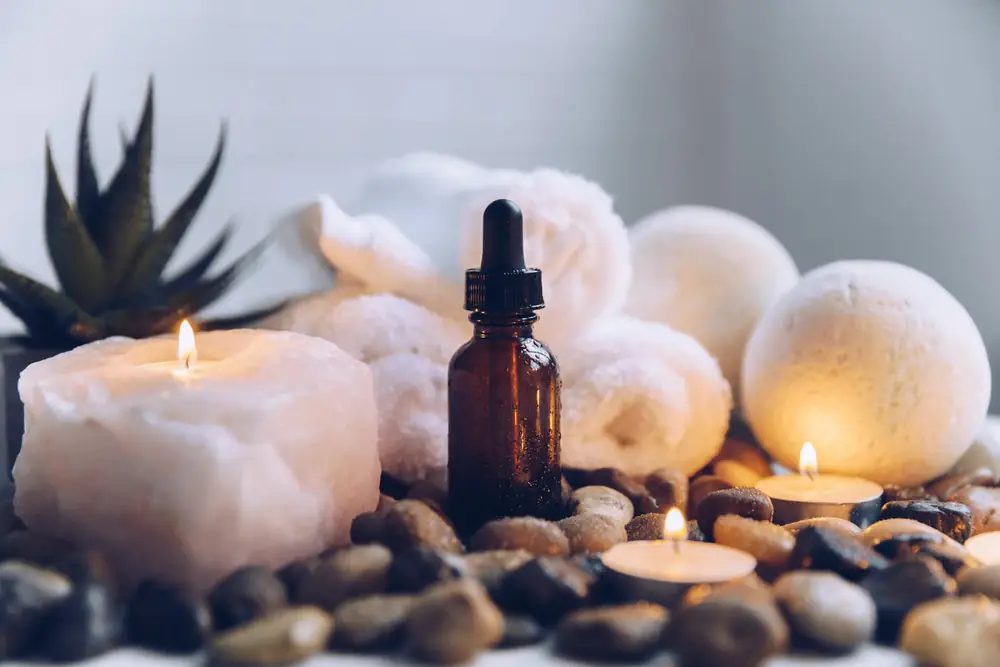
Abhyanga is the daily self-massage described in the Ashtanga Hridayam. Done for fifteen minutes before a bath, it is one of the simplest routines in Ayurveda and one of the most effective.
अभ्यङ्गमाचरेन्नित्यं स जराश्रमवातहाPractise abhyanga daily. It wards off ageing, fatigue and excess Vata. (Ashtanga Hridayam, Sutrasthana 2.8)
Choose an oil for your dosha
| Dosha | Base oil | Our pick |
|---|---|---|
| Vata | Sesame, warm | Ksheerabala Abhyanga Oil |
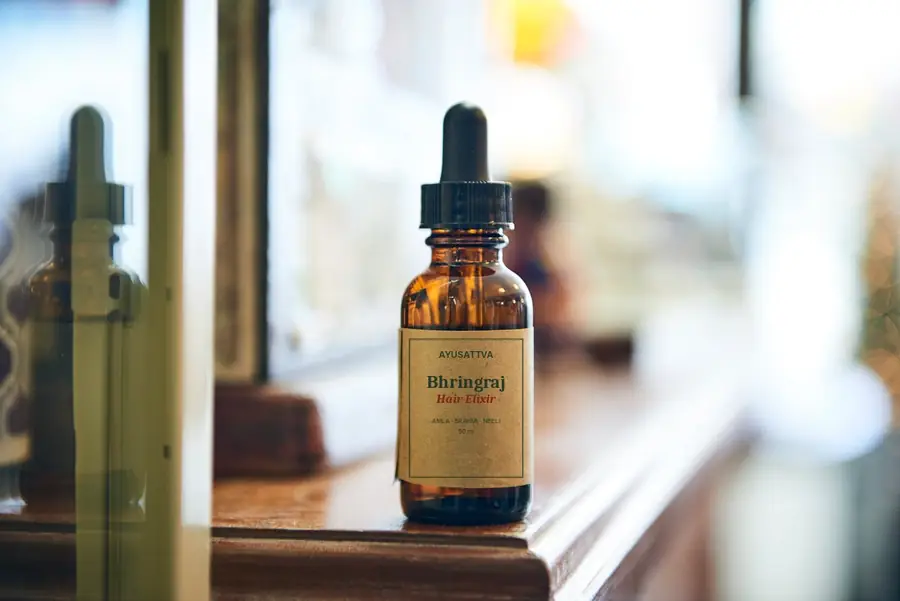
| Pitta | Coconut or sunflower, room temperature | Bhringraj Hair Elixir (scalp) |
| Kapha | Mustard or light sesame, warm, used sparingly | Ksheerabala, thin layer |
The 15-minute method
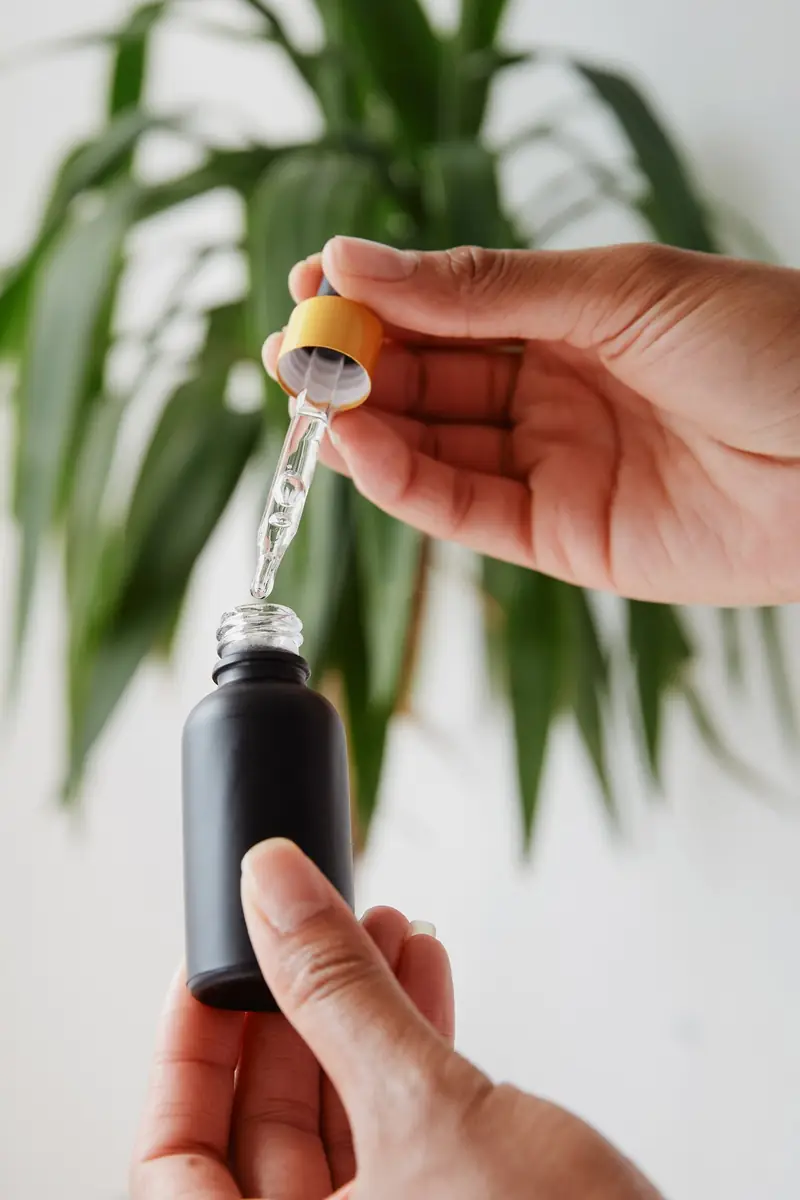
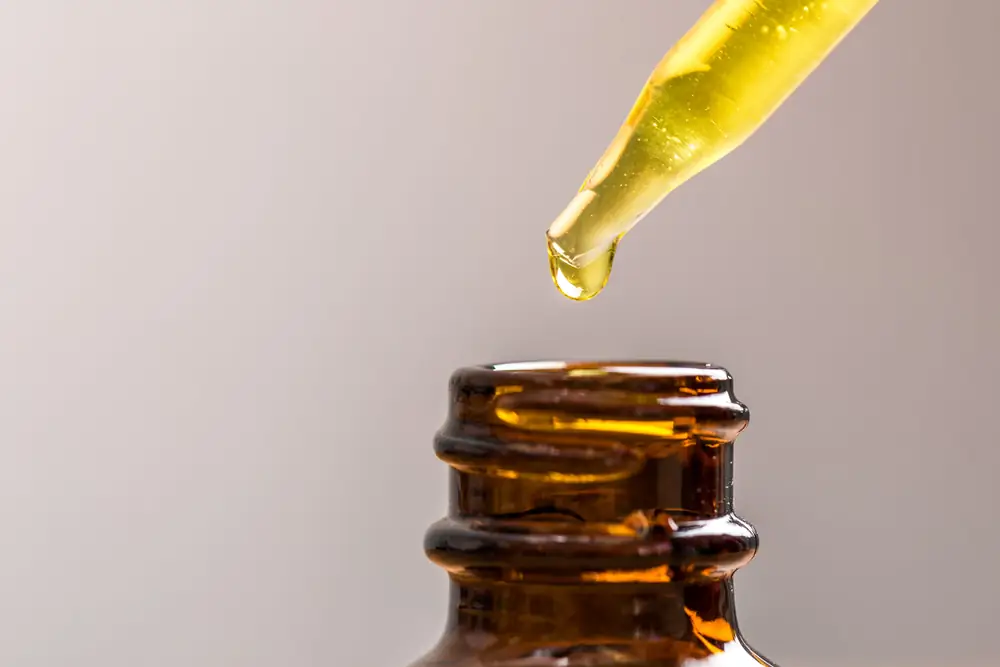
- Warm the oil. Stand the bottle in hot water for two minutes. It should feel comfortably warm on your wrist.
- Start at the crown. Massage a teaspoon into the scalp with your fingertips in small circles.
- Long strokes on limbs, circles on joints. Work towards the heart. Spend extra time on knees, ankles and elbows.
- Clockwise on the belly. Follow the direction of digestion with gentle, wide circles.
- Rest, then bathe. Let the oil sit for 10 minutes, then bathe in warm water with a mild cleanser.
When to skip it
Skip abhyanga during a fever, right after a heavy meal, or if you feel congested and heavy, which are signs of high Kapha. If you're pregnant or managing a medical condition, speak to our vaidya first.