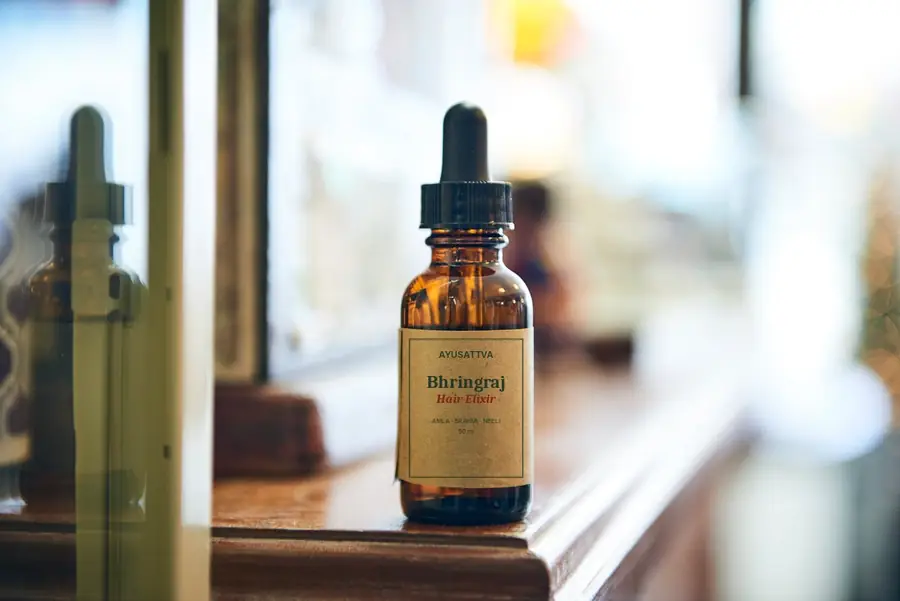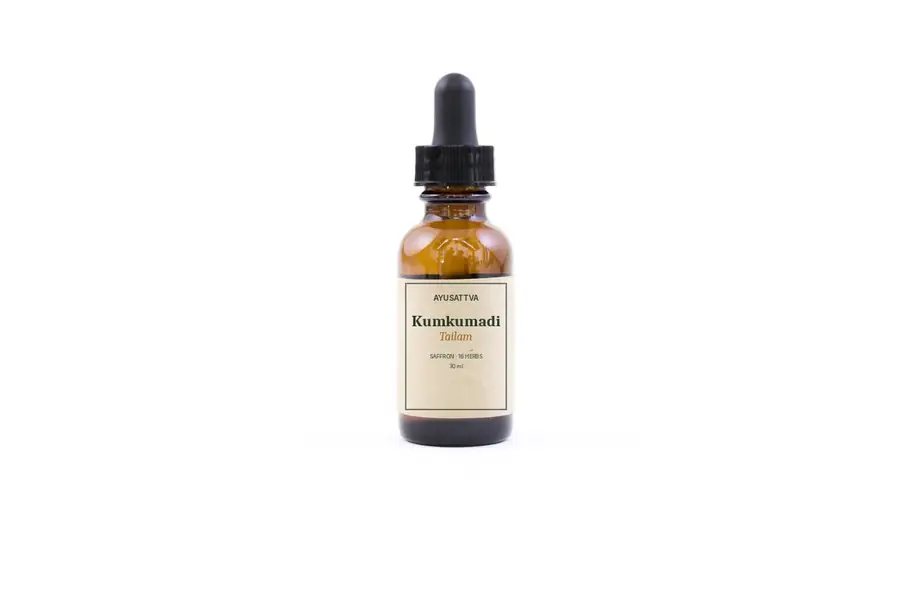
Pick up any AyuSattva label and you'll see three Sanskrit words: rasa, virya and vipaka. They are how Ayurveda has described a herb for more than two thousand years, and they tell you more than a list of actives ever could.
Rasa: the taste
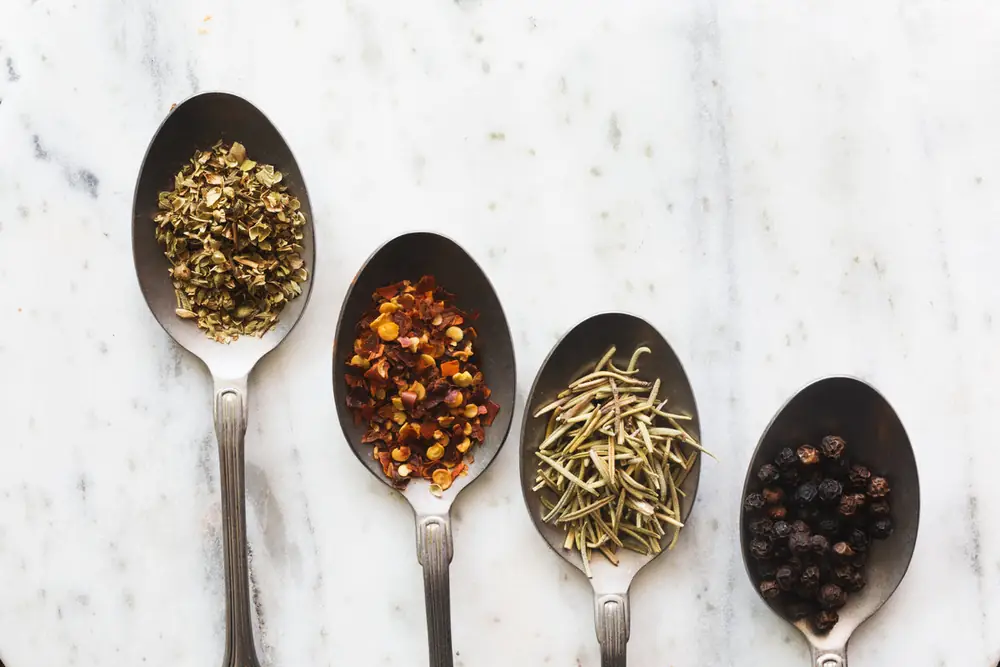
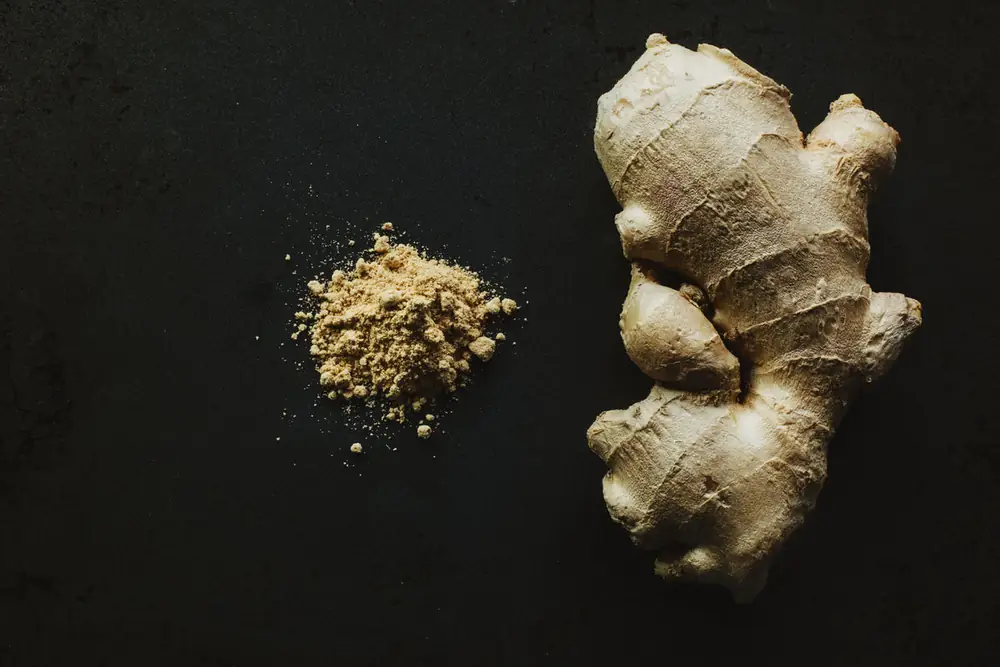
Ayurveda names six tastes: sweet, sour, salty, pungent, bitter and astringent. Taste is the first signal of what a herb will do. Bitter herbs like neem and brahmi cool and clear; pungent ones like ginger and pepper warm and stimulate.
Virya: the potency
Virya is a herb's heating (ushna) or cooling (sheeta) effect. It's why ginger suits a cold winter morning and brahmi suits a hot, busy head. Heating herbs reduce Vata and Kapha; cooling herbs calm Pitta.
Vipaka: the after-effect
Vipaka is what a herb becomes after digestion, and it can differ from its taste. Ashwagandha tastes bitter but has a sweet vipaka, which is why it builds strength rather than drying you out.
Read together, the three words tell you who a herb is for, when to take it and what to pair it with.
How to use this on our labels
If you run warm (Pitta), lean towards cooling virya. If you feel cold, dry and scattered (Vata), choose warming herbs with a sweet vipaka. Not sure which you are? Take the dosha quiz or book a free vaidya call.